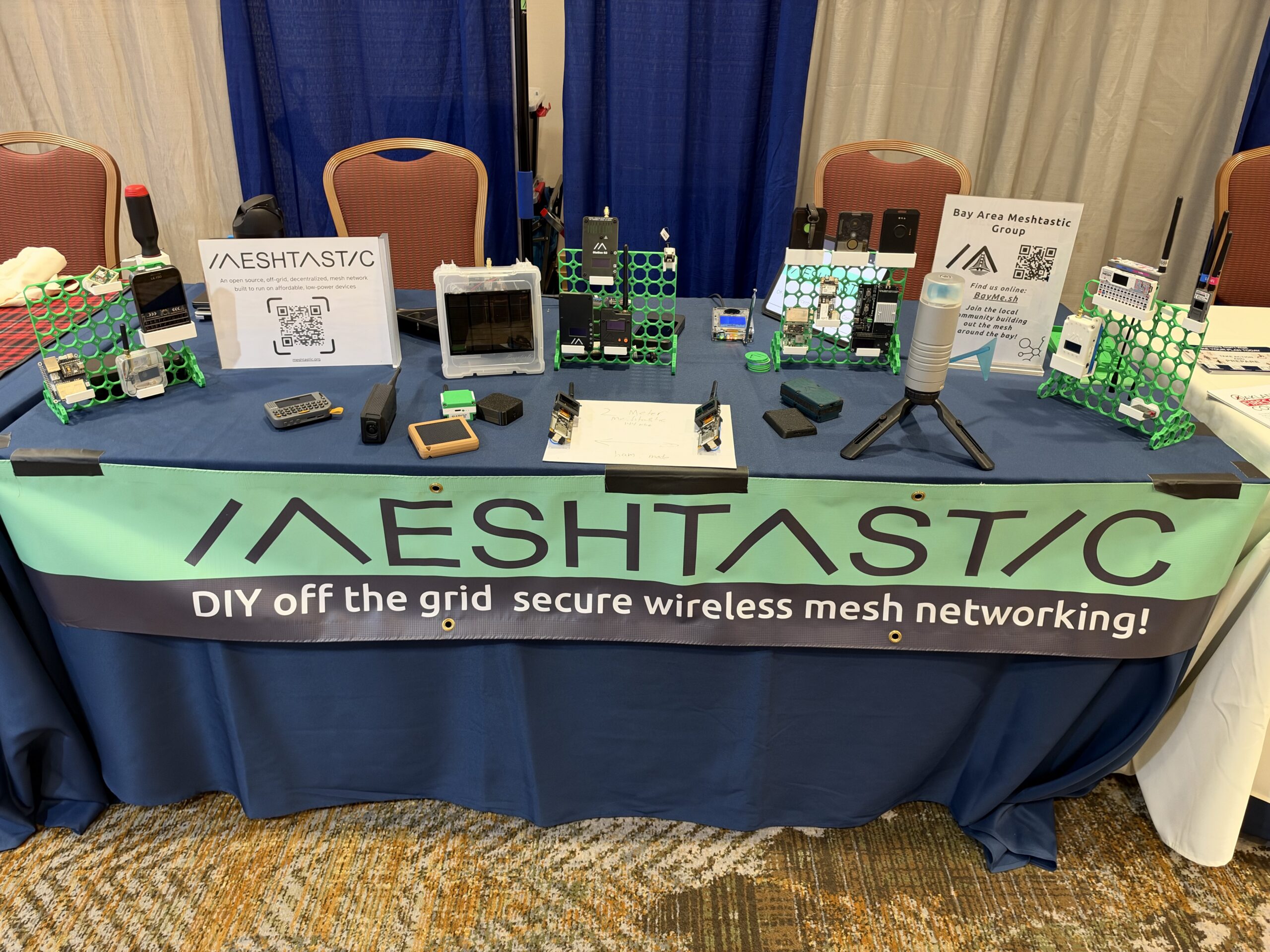
This past weekend was Pacificon 2026. Technically, yes, I am a ham radio operator. Granted, the last time I keyed up for real was a long, long, long time ago. I go because that’s where Meshtastic takes me. At least it did this past weekend. For the last couple of years, I’ve been volunteering on behalf of Meshtastic to go and extol the virtues of off-grid mesh communications at a number of events.

The three major events have been OpenSauce, Maker Faire, and Pacificon. They are very different events with very different types of people. In many cases, they’re highly technical people, but it’s just fascinating to see the difference between the questions a highly technical amateur radio person asks and those from a highly technical developer who’s used to working with an ESP32 microcontroller.
I find it a lot of fun to talk to all these different people and see what they’re interested in and what resonates with them. One of my compatriots at the show, who has been to multiple shows with me, was quite amused by my continuous refinement of bits of my pitch. I’ve probably given my Meshtastic pitch to 10,000 or 15,000 people now. Without exaggeration. It is very well refined, and I have it down to one sentence. Would you like to know how I explain Meshtastic to someone who has never heard of it?
It’s a walkie-talkie for Gen Z: you don’t talk, you text.
Preferably with a slide for some imagery to go with the statement. But it explains a majority of the concepts that I need to convey very quickly and gets people in the right mindset. This weekend was the first time I have had more than a couple of people ask me about Meshtastic versus MeshCore. I got a real-time chance to refine my pitch. Because Pacificon is a little bit slower of an environment, I had a chance to think between my conversations and even do a tiny bit of research, which was an unusual blessing when going to events. At something like OpenSauce, where there are 30,000 people in a day, the booth is generally never quiet.
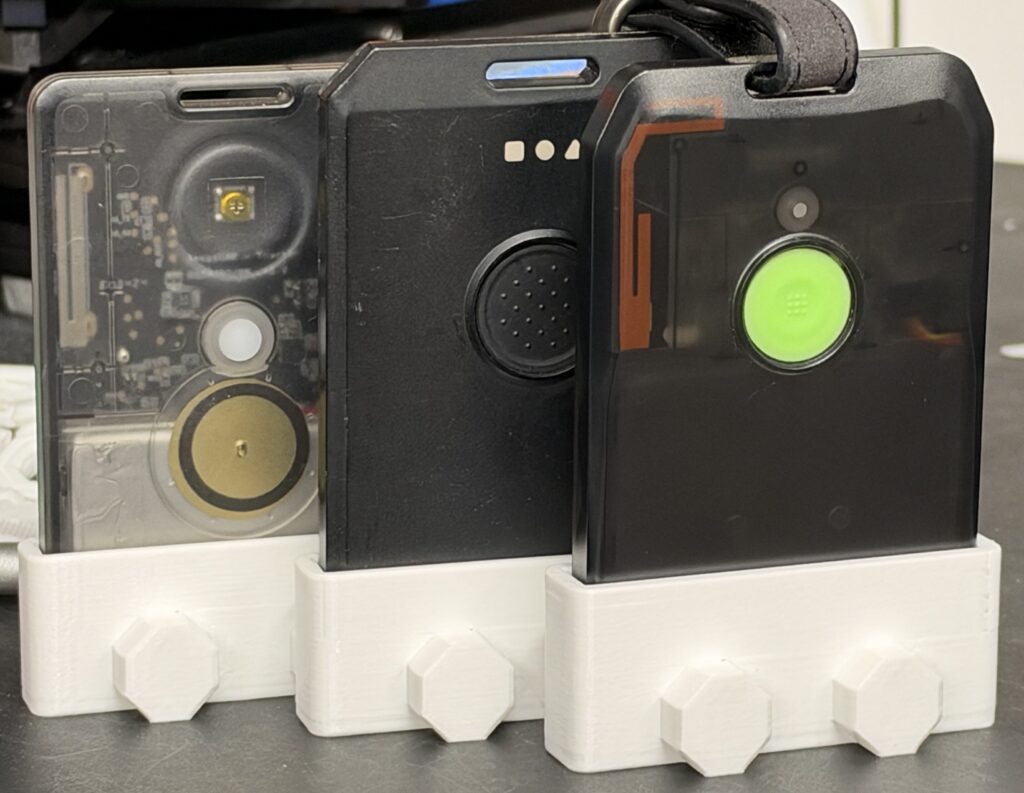
Now this did get me going on an idea to solve a problem that I had at the show related to the question, “What node should I buy?” I’m going to talk about that more in another post. But working on that new project led me to revisit my 323 Labs website. Which works fine. It’s a single static HTML Bootstrap page. Fortunately, it was hosted on GitHub Pages, so it still worked. And I was a little shocked that it wasn’t even massively out of date for once because all I used was Bootstrap and Bootstrap 6 isn’t out yet.
This also led me to check out the blog here, since it was linked from 323 Labs, only to find that… WordPress had broken. WordPress shouldn’t be broken. It’s being supervised by an AI agent that runs every six hours to check to make sure everything is reporting in and working properly. Oh yes. And there is active monitoring to see if the page is down. But somehow it was only half broken, and the AI automated tooling didn’t bother to look at its brokenness either.
And this brings me to bitrot and broken things. It truly shocks me how fast things on the internet break if left unattended when they are anything remotely more complicated than a GitHub or Cloudflare static page. I figured since I fixed the blog, I should actually write on the blog. Even if it is more stream of thought, stream of consciousness, and not necessarily focused on anything in particular. But it has taken me almost an hour to write this entry because I have had to fight through an out-of-date WordPress installation, being unable to upload images, and a myriad of other issues.

One of the smallest but most annoying issues was that I couldn’t upload images to WordPress for this post. Spent hours trying to figure it out (with AI helping me debug). Fun fact – It was something to do with Safari (failing to legacy upload path for some unknown reason). Switching back to Brave and it worked instantly.